
KPC IPO: Kenya Signals Market Shift With 60% Investor Allocation
Posted by EDITORIAL
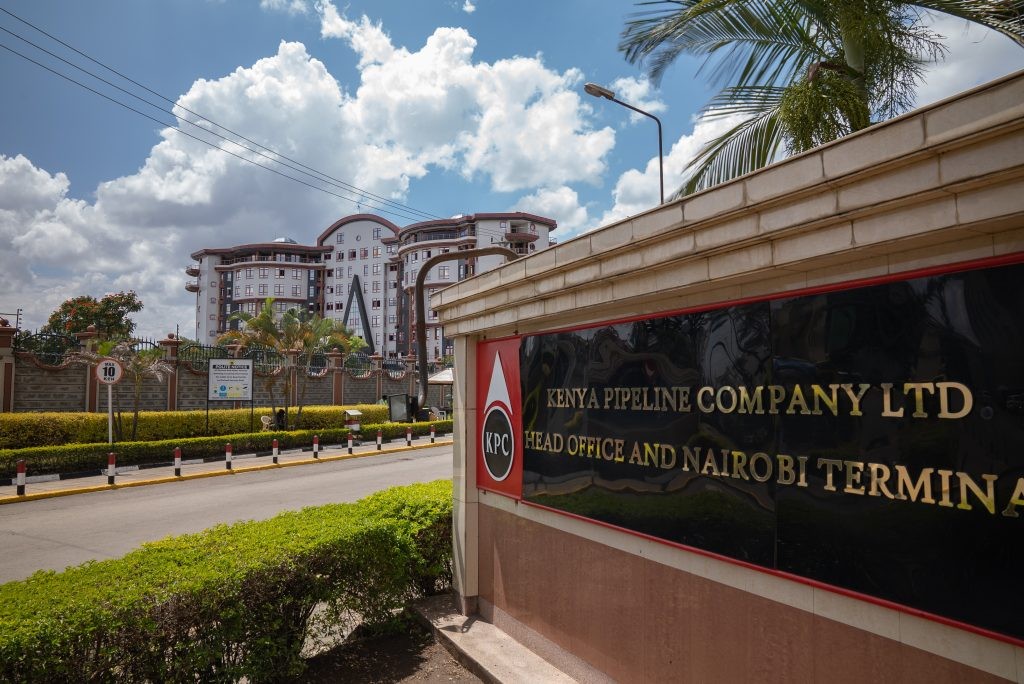
Kenya launches the KPC IPO, East Africa’s largest local-currency offering, as the government accelerates its exit from business. Global investors eye a landmark shift in Nairobi’s capital markets.
Also Read: Kenyans are Loving the New Jetour T2
Nairobi Kenya
In Summary
- Kenya’s Privatization Authority and KPC convened editors in Nairobi today to clarify the structure, timing, and strategic intent behind the Kenya Pipeline Company IPO.
- Launched yesterday, the KPC IPO seeks to raise KSh 106.3 billion, making it East Africa’s largest local-currency listing and eclipsing the landmark Safaricom IPO of 2008.
- The offering signals a deeper policy shift under President William Ruto and Treasury CS John Mbadi: government stepping back from commercial ventures to reshape Kenya into a more investor-driven economy.
Also Read: NSE hits the 3 trillion Shillings Ceiling
Also Read: Inside the Africa's Infrastructure Deal worth $1.5 Billion
Also Read: Kenyas Effort in fight against AML with new Virtual Asset Law for Providers
In a deliberate show of transparency and market confidence, Kenya’s Privatization Authority and the Kenya Pipeline Company (KPC) today hosted editors and senior media leaders in Nairobi, offering a detailed briefing on the country’s most ambitious public offering to date. The editors’ roundtable breakfast brought together the architects of the transaction; Faida Investment Bank as lead transaction advisor, KPC’s top leadership, and the Privatization Authority—to walk the media through the IPO’s mechanics, timelines, and strategic importance.
For global investors watching Kenya’s reform story, the media engagement was not incidental. It was part of a broader effort to signal policy coherence, predictability, and seriousness of intent. By front-loading clarity and access, the government is attempting to anchor the IPO narrative in credibility which is an essential ingredient for attracting long-term capital beyond domestic retail participation.
That credibility test began a day earlier.
On January 19, Kenya officially opened the sale of a 65% stake in the Kenya Pipeline Company, targeting KSh 106.3 billion (about $825 million) in proceeds. In local-currency terms, the transaction is the largest IPO ever undertaken in East Africa, surpassing the iconic 2008 Safaricom listing that raised just over KSh 50 billion and defined a generation of Kenyan equity investors.
At a price of KSh 9.00 per share, the government is offering 11.81 billion shares, valuing KPC at approximately KSh 163.56 billion. If fully subscribed, the deal will not only reset benchmarks on the Nairobi Securities Exchange (NSE) but also materially deepen Kenya’s capital markets at a time when global equity activity has rebounded and frontier markets are regaining investor attention.
The allocation structure reflects a carefully balanced approach. Retail investors, institutional investors, and regional East African Community (EAC) investors each account for 20% of the offer, underscoring Nairobi’s ambition to position itself as a regional financial hub. Oil marketing companies are allocated 15%, while employees—often overlooked in large privatizations have a dedicated 5% stake, embedding internal ownership into the transition.
For investors, the headline number is clear: roughly 60% of the company is squarely available to the investing public.
But the deeper story is not just about size. It is about intent.
Kenya’s decision to divest from KPC comes amid mounting fiscal pressure. With public debt elevated, limited room to raise new taxes, and debt servicing consuming close to 40% of government revenues, President William Ruto’s administration has been forced to rethink the role of the state in commercial enterprise. The KPC IPO follows earlier signals that the government is also prepared to reduce its stake in Safaricom, East Africa’s most valuable company.
Taken together, these moves mark a philosophical shift: from state as operator to state as enabler.
That shift has gained sharper definition since the entry of Treasury Cabinet Secretary John Mbadi into Ruto’s economic team. Mbadi, a former opposition stalwart turned fiscal reform advocate, has long argued that
“the work of government is not to do business, but to create an enabling environment for businesses to thrive.” The KPC IPO is perhaps the clearest operationalization of that belief to date.
By exiting mature, capital-intensive enterprises, the government is betting that private ownership, market discipline, and broader shareholding will drive efficiency and innovation—while freeing public resources for regulation, infrastructure, and social investment. It is a model familiar to investors in more mature markets, but still evolving in much of Africa.
The critical question, however, is whether exit alone is enough.
For global investors, Kenya’s divestment strategy will ultimately be judged not just by successful IPO subscriptions, but by what follows: regulatory stability, protection of minority shareholders, policy consistency, and a business climate that rewards long-term capital. In that sense, the KPC offering is both a fundraising exercise and a referendum on reform.
If the government’s retreat from direct ownership is matched by stronger institutions, clearer rules, and deeper markets, Kenya could emerge as one of Africa’s most compelling investment destinations. If not, the exit risks being seen as fiscal necessity rather than structural transformation.
For now, the signal is unmistakable. With the editors briefed, the market engaged, and the books open until February 19, Kenya has placed its largest bet yet on the power of markets—and invited the world to take part.
Share a story to factieglobal@gmail.com
or
Editor@jlcnews.com