
Dr. Duduzile Musa’s Medical Journey Across Borders:From Zimbabwe to Global Care
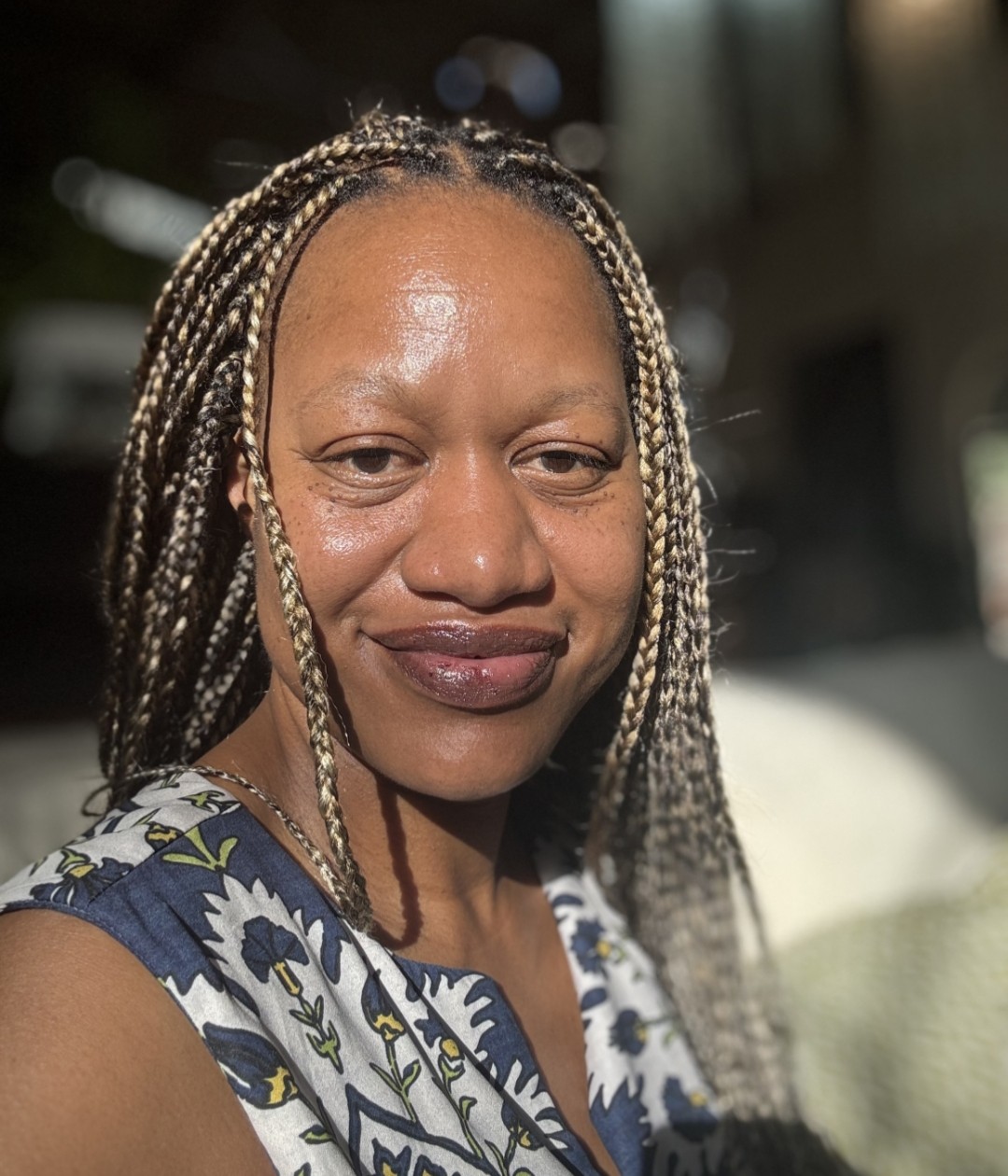
Posted by EDITORIAL
Discover how Dr. Duduzile Musa’s journey from Zimbabwe to the UK and US showcases the power of global medical education in tackling healthcare access, inequality, and patient-centered care.
Feature Article
In Summary:
Dr. Duduzile Musa’s path into medicine was shaped early by her experiences growing up in Zimbabwe, where limited healthcare resources and systemic challenges often determined the quality and timeliness of patient care. Witnessing these realities firsthand, she developed an awareness that healthcare outcomes are not solely driven by clinical expertise, but by broader structural and socioeconomic factors. This perspective would later define her career across multiple continents.
Her medical training at St. George’s University marked a critical turning point, offering a rigorous academic environment that combined foundational sciences with early clinical exposure. The institution’s international model demanded resilience and adaptability, equipping students to transition across healthcare systems with differing standards, patient expectations, and operational frameworks. For Dr. Musa, this experience not only strengthened her clinical competence but also built the confidence needed to navigate complex and high-pressure environments.
During her clinical rotations, Dr. Musa encountered patients from varied socioeconomic backgrounds, reinforcing a consistent theme in global health: access to care is shaped by more than availability. Affordability, awareness, and systemic inefficiencies often stand between patients and treatment. These encounters deepened her understanding that effective medical practice requires a holistic view of the patient, one that considers social determinants alongside diagnosis and treatment.
Her postgraduate training expanded this perspective further, particularly through her work within the National Health Service in the United Kingdom. Operating in a highly structured and resource-conscious system, she became part of multidisciplinary teams focused on delivering coordinated, patient-centered care. The experience sharpened her ability to manage complex cases while adapting to diverse patient populations, a skill increasingly essential in today’s interconnected healthcare landscape.
Beyond clinical skills, Dr. Musa’s journey reflects the broader value of international medical education in fostering cultural competence and collaborative thinking. Exposure to different healthcare models and patient demographics enabled her to approach care with flexibility and contextual awareness, qualities that are critical in addressing both local and global health challenges.
Today, her career stands as an example of how globally trained physicians can bridge gaps in healthcare delivery by combining technical expertise with an understanding of systemic barriers. Her story underscores a key reality in modern medicine: effective healthcare is not only about treating disease, but about designing care systems that are accessible, equitable, and responsive to the lived experiences of patients.