
Africa Dairy Innovation Summit 2026: Industry Pushes Back on Misinformation
Posted by EDITORIAL
Africa Dairy Innovation Summit 2026 in Nairobi highlights misinformation in the dairy sector, debunks UHT milk myths, and calls for consumer trust across Africa.
In Summary:
- A major myth highlighted is that UHT milk contains preservatives due to its long shelf life, despite being preserved through ultra-heat treatment, not additives.
- Misinformation and fake news are spreading rapidly through social media, often shaping consumer perception before facts can catch up.
- Industry leaders emphasize that restoring trust requires faster communication and transparency across the dairy value chain.
Also Read: Learn about Kenya’s Ongoing GM Maize efforts
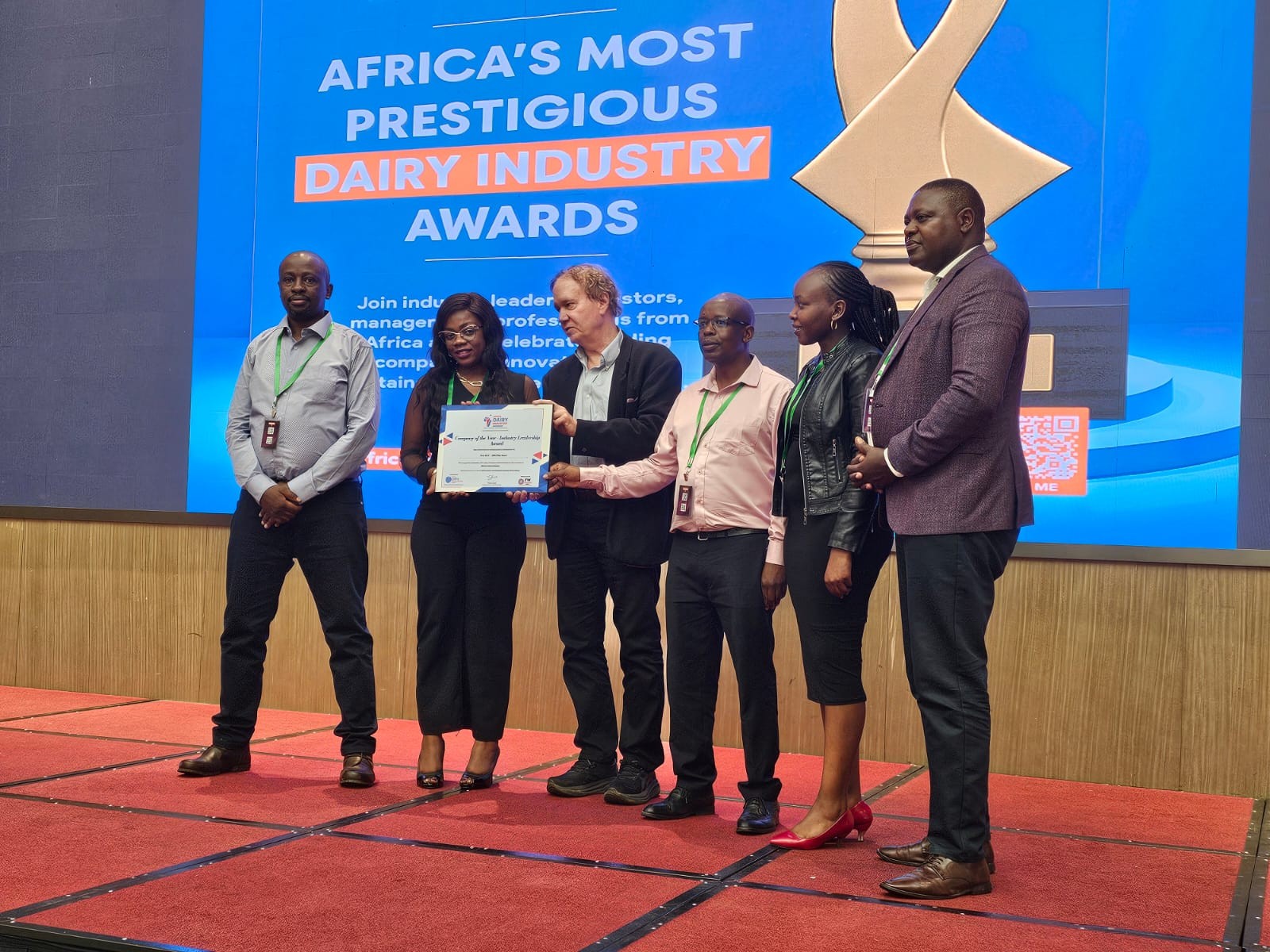
The Africa Dairy Innovation Summit 2026 in Nairobi concluded with a powerful and timely conversation on one of the most pressing threats facing the sector today:-misinformation. As industry leaders, processors, and policymakers gathered in nairobi, the final panel session shifted the spotlight from production and innovation to a more complex challenge: the battle for truth in an era of fast-moving digital narratives.
The discussion underscored how the dairy industry is no longer only competing on quality and efficiency, but also on information. In a media landscape dominated by social platforms, misinformation about dairy products is spreading faster than ever, often shaping consumer attitudes before credible voices can respond. For urban consumers in particular, who are largely disconnected from farm-level realities—this has created a growing gap between perception and fact.
One of the most prominent misconceptions addressed during the panel is the belief that UHT milk contains preservatives because it can last for up to six months. Industry experts clarified that UHT, or ultra-high temperature treatment, is a scientific process where milk is heated at very high temperatures in controlled conditions to eliminate harmful microorganisms. This process extends shelf life without the need for additives. In contrast, fresh milk, which typically lasts only a few days, undergoes less intensive processing. The confusion between the two has fueled suspicion among consumers, particularly in urban markets where packaged milk is dominant.
Insights from a representative of Kinangop Dairy Limited during a media interview reinforced the urgency of addressing such misinformation. The executive highlighted that in today’s communication environment, speed is everything. When false information spreads, the first 24 hours are critical. If the truth arrives late, the damage to consumer trust can already be significant and costly. This reality places pressure on dairy companies to respond quickly, consistently, and with clarity.
Also Read: The Silent Epidemic Addressing the commercial Determinants in the APHRC ACCORDS Project
The challenge, however, goes beyond consumer-facing communication. Misinformation has ripple effects that extend all the way to the farmer. When trust in dairy products declines, demand can be affected, ultimately impacting farm incomes and production stability. The industry is therefore increasingly recognizing that communication strategies must be holistic, reaching not just consumers but also farmers, transporters, and retailers.
Another common misunderstanding discussed is related to milk packaging. When milk packets swell, some consumers assume this is due to chemical additives or spoilage caused by preservatives. In reality, experts explained that such occurrences are often the result of air entering the packaging at some point along the supply chain. Given the long logistical journey milk takes—from rural farms to urban retail shelves—such incidents, while rare, can happen. In such cases, the product is deemed unfit for consumption and is typically returned and handled according to strict quality protocols.
What emerged strongly from the summit is that trust in the dairy sector is shared across the entire value chain. It cannot be built by processors alone. Collaboration among industry players, regulators, and the media is essential to ensure that accurate information reaches the public. Consistency in messaging, transparency in processes, and responsiveness to consumer concerns are becoming as important as the quality of the milk itself.
Equally critical is the need to close the knowledge gap at the farm level. Farmers play a central role in ensuring milk quality, yet many lack access to up-to-date information on best practices. Issues such as animal health, feed quality, and the proper use of antibiotics directly influence the safety and quality of milk. Without targeted education and support, these gaps can undermine the entire value chain. Industry leaders at the summit emphasized that empowering farmers with knowledge is not optional—it is foundational to building a resilient and trustworthy dairy sector.
For urban consumers, the takeaway is clear. Not all information circulating online reflects the reality of how dairy products are produced and processed. Understanding the science behind products like UHT milk, as well as the complexity of the supply chain, is essential for making informed choices. For the industry, the message is even clearer: communication is no longer a support function—it is a core pillar of sustainability and growth.
As the summit closed, one idea stood out above all: in the modern dairy industry, winning consumer trust requires more than producing good milk. It requires winning the information war—with facts, speed, and a unified voice that connects farmers to consumers across every link of the chain.