
More than 3 Million Kenyans face Food Chrisis : Mandera Hits Extreme Malnutrition Levels
Posted by EDITORIAL
3.27 million Kenyans in ASAL counties face acute food insecurity, with Mandera classified in IPC Phase 5 malnutrition. AHN activates early response as crisis may worsen if rains fail.
Key Highlights
- 3.27 million Kenyans across ASAL counties are in Crisis or Emergency food insecurity, with Mandera now classified in IPC Acute Malnutrition Phase 5 (Extremely Critical).
- If the March–May rains fail, the number could surge to 3.69 million, pushing more families toward Emergency conditions and raising the risk of catastrophic outcomes.
Also Read: Counties push for nutrition laws amid Donor Fallout
Also Read: How Kenya Marked World Prematurity Day
Also Read: Africa set to Benefit as Bill & Melinda Gates Foundation Commits $1.4 Billion
Northern Kenya’s dry winds are carrying more than dust this season; they are carrying the weight of a deepening humanitarian crisis.
Across the Arid and Semi-Arid Lands (ASAL), 3.27 million people are now classified in IPC Phase 3 (Crisis) and IPC Phase 4 (Emergency), according to the latest assessment. That means nearly one in five people in these regions urgently need assistance. While Kenya has not crossed into famine territory, the warning signs are flashing red.
In Mandera County, the situation has escalated to its most severe level. Following the failure of the October–November–December short rains, Mandera has entered the Alarm phase of drought. The county is now classified in IPC Acute Malnutrition Phase 5 — Extremely Critical — the highest severity rating under the malnutrition scale. More than 86,000 children under five require treatment for acute malnutrition, including over 20,000 battling Severe Acute Malnutrition. Over 17,000 pregnant and breastfeeding women also need urgent nutrition support, signaling a crisis that threatens not just the present generation but the next.
Behind the numbers are households watching livestock weaken, milk supplies dwindle, and food prices stretch beyond reach. Pastoral families who rely on livestock as both livelihood and nutrition backbone are confronting shrinking pasturelands and longer treks for water. Health facilities in remote areas are strained, facing commodity stock-outs and limited outreach capacity just as needs surge.
Nationally, more than 810,000 children under five now require treatment for acute malnutrition — a significant rise from mid-2025. Within ASAL counties alone, nearly half a million children are in need, with over 113,000 classified as severe cases. Refugee-hosting camps are also under immense pressure, with 60 percent of residents in Crisis or Emergency conditions. Any disruption to assistance pipelines could quickly tip vulnerable communities into deeper distress.
The coming March–May rains now stand as a decisive turning point. If the rains are delayed or underperform, projections show the number of people in Crisis or worse could climb to 3.69 million, with Emergency cases increasing sharply. Such a trajectory would see 20 percent of the ASAL population facing high acute food insecurity, narrowing the margin between emergency and catastrophe.
The Government of Kenya, through coordination led by the National Drought Management Authority, has mobilized resources, allocating billions toward food aid, water access, livestock support, and health interventions. County governments have scaled up water trucking and disease surveillance efforts, while humanitarian partners continue to provide life-saving services. Yet, as officials acknowledge, the scale of need is outpacing available resources.

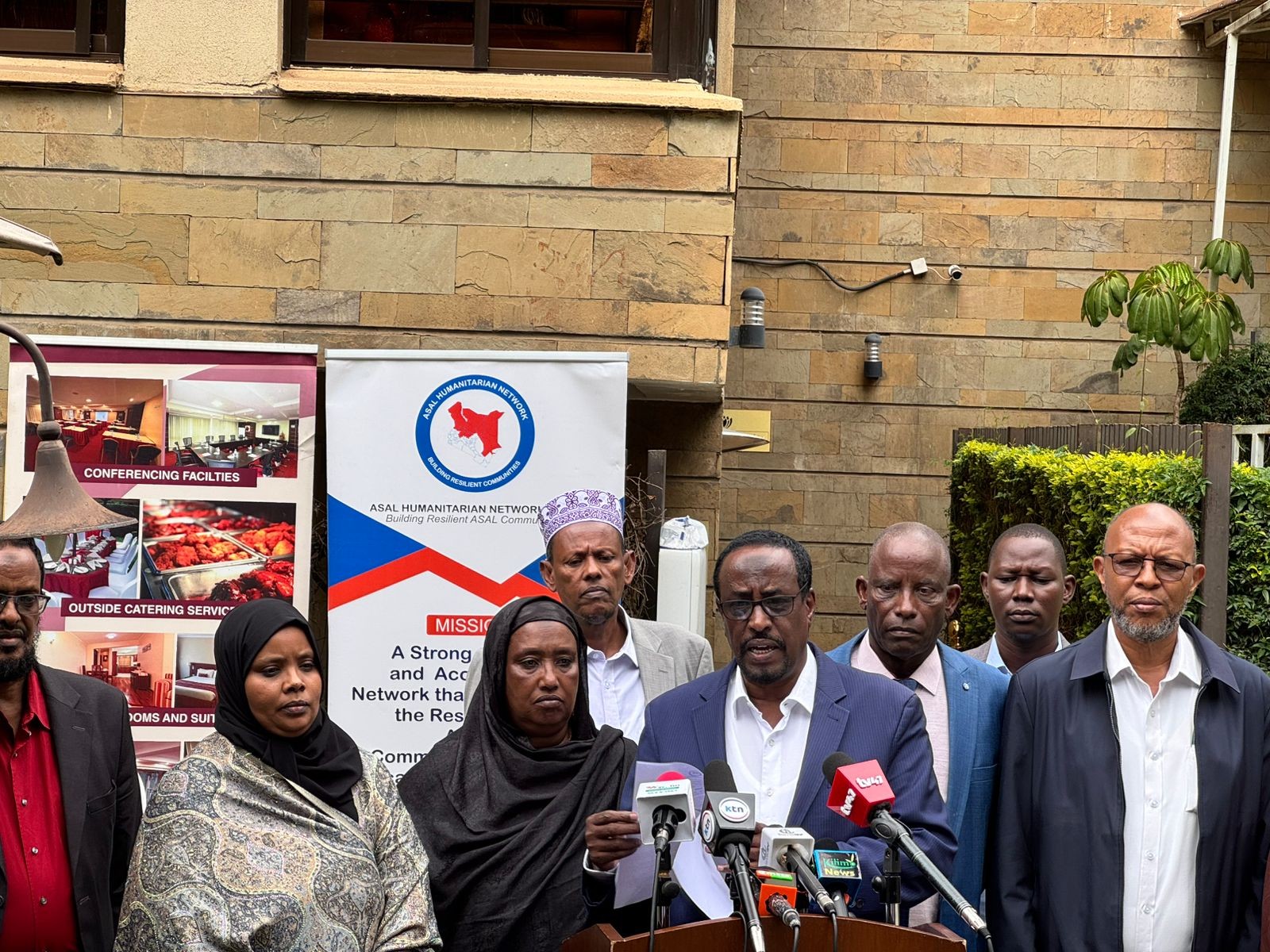
In response, the ASAL Humanitarian Network (AHN) has activated a locally led early action strategy under its January–July 2026 Drought Flash Appeal, beginning with Mandera. Community-rooted organizations such as NAPAD, RACIDA, and Mandera Women for Peace are spearheading front-line interventions in nutrition, water access, food security, and protection. Their work aims not only to deliver aid but to translate early warning into early action — a critical shift in drought response.
The message emerging from Mandera is stark but clear: Kenya is not yet in famine, but the risk curve is rising. The data is functioning as intended — it is warning before catastrophe strikes. What remains is whether financing and coordinated action will arrive at the speed and scale required.
For families in Mandera and across the ASAL belt, this is not a distant policy debate. It is about whether children receive therapeutic feeding in time, whether livestock survive another dry month, and whether communities can stabilize before slipping further into emergency.
The window for preventive action is narrowing. Sustained, flexible, and timely support from donors, government actors, private sector partners, and the wider humanitarian community is urgently needed.
Early warning has spoken. Early action must follow.